How To · May 14, 2026
How to make a music video on a budget (in 2026)
By Amuse
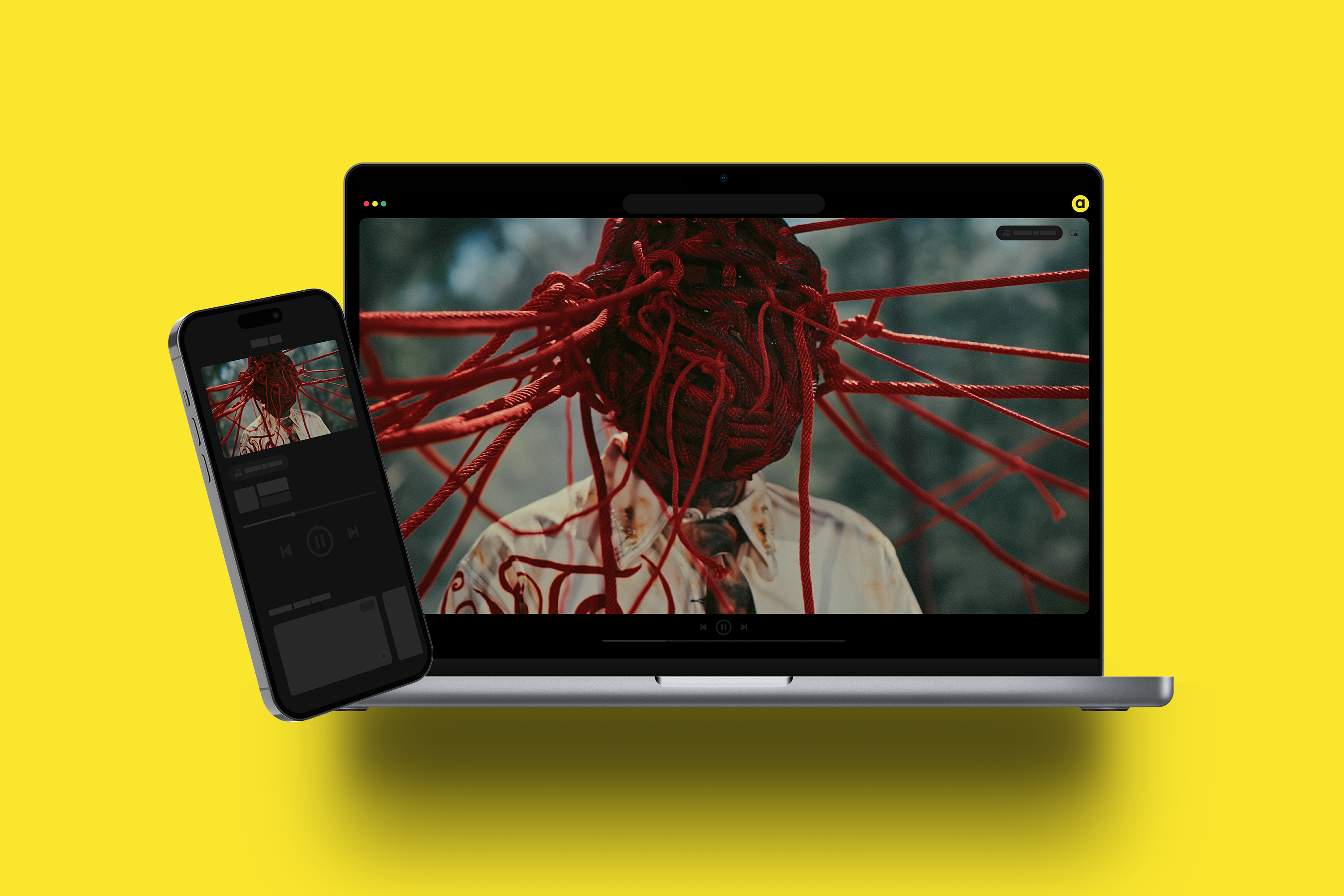
Making a music video can feel like something you do later. After you’ve built an audience. After you have more time, more money, or more people around you. But that’s not really how it works anymore.
Music videos have become part of how people experience a release, not just something that supports it. And many of the videos that connect most aren’t built on production value. They’re built on a clear idea, executed simply.
If you’ve been putting it off, it’s likely more within reach than you think.
Start with a clear idea
Before thinking about cameras, locations, or editing, focus on what the video is actually about.
This doesn’t need to be complicated. You don’t need a full treatment or detailed plan. What matters is having a clear direction. What should the video feel like? What part of the track are you bringing to life?
A strong idea gives the video its identity. It also makes every decision that follows much easier.
There are plenty of examples where the concept carries everything. Lil Dicky’s $ave Dat Money is built entirely around not having a budget, using real locations and favors instead of paid production. The constraint becomes the idea.
You see a similar approach in how many artists work today, where a single visual idea is repeated or reinterpreted across different clips, performances, and edits. The concept stays consistent, even if the format changes.
That’s the level to aim for. Clear, not complex.
Use what you already have
You don’t need access to expensive locations or equipment to make something that works.
Most independent artists start with what’s available to them. A room, a street, a studio, somewhere familiar. What matters is how you use it.
A simple location, framed with intention, will often feel more effective than something more elaborate without direction.
The same goes for clothes, props, and styling. Borrowing, reusing, and improvising is part of the process. It doesn’t make the video feel limited. It makes it feel considered.
Keep the setup simple
You don’t need a full crew to make a strong video. In many cases, one or two people is enough. Someone to film, someone to help shape the idea, and that’s it.
A lot of artists now shoot and release visuals quickly, sometimes capturing multiple versions of the same idea in one session. It keeps things flexible and makes it easier to stay consistent with releases.
Working this way makes the process easier to manage and more likely to actually happen.
Let the process be flexible
One of the biggest blockers is the idea that everything needs to be figured out in advance.In reality, most of it comes together during the shoot. Shots change. Ideas evolve. Something unexpected ends up becoming the best part of the video.
That’s part of the process.
Your first video doesn’t need to be perfect. It just needs to exist. Once you’ve made one, the next one becomes much easier.
Make the most of what you shoot
A music video doesn’t have to be a single output.
When you film, you’ll naturally capture different moments, angles, and variations. These can be used beyond the main video, whether that’s short clips, alternate edits, or behind-the-scenes content.
Many artists now build their releases around this without overthinking it. One idea, multiple outputs, all coming from the same shoot.
Give your sound a visual hook
Music videos are becoming a more important part of how people discover and connect with music. They give your track a visual identity. They make it easier to recognize and remember. And they create more opportunities for your music to reach new listeners.
Even a simple video can go a long way. It adds another dimension to your release and helps it travel further.
You don’t need a big budget. You don’t need a perfect setup. Start with an idea, use what you have, and focus on getting something finished.
From there, you can improve, experiment, and build with each release.
Ready to share your music video with the world? Read how to distribute your music video with Amuse.
Related
September 25, 2026
What is the best music distributor to transfer your songs from one distributor to another (Comparison)

Tips · February 3, 2026
The Best Music Distribution Services in 2026

How To · January 8, 2026
How to Promote Your Music Independently in 2026
How To · July 2, 2025